Send It While It's Warm: A Month of Weekday Studio Notes
For thirty days, I posted a three-sentence studio note every weekday and skipped the finished-work gate. The replies, the momentum, and the perfectionism were not what I expected.

Creative work, updates, and curiosities.
For thirty days, I posted a three-sentence studio note every weekday and skipped the finished-work gate. The replies, the momentum, and the perfectionism were not what I expected.
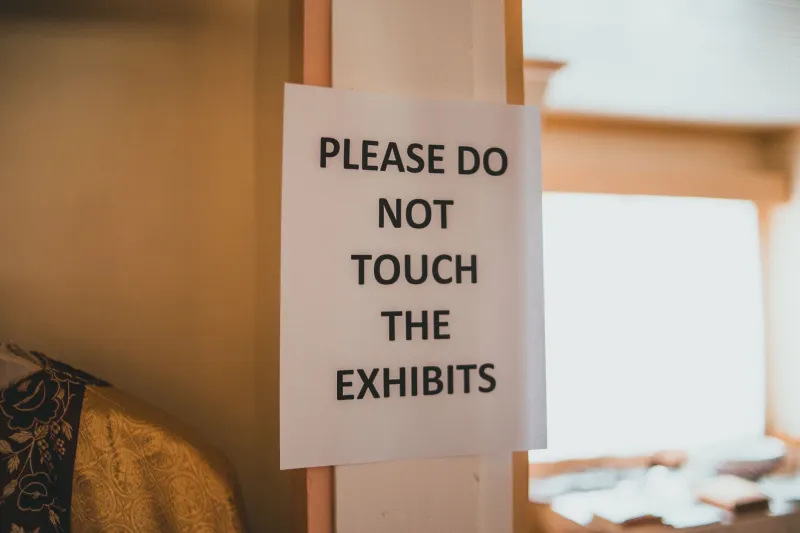
A 2026 field guide to seven small museums and community collections across the US, from a working typewriter shop to a barbed-wire archive. Each one is a lesson in obsession, display, and making a case for strange things.
I set up a card table with 200 free stickers and a notebook, no prints and no prices. Watching people decide whether to take one taught me more about accessibility than any portfolio review.
For thirty days I stood on my own porch holding unfinished work and asked whoever answered the doorbell to react before I could explain a thing. It was awkward, occasionally humbling, and the most useful design feedback I've gotten all year.
For thirty days this past October, I made one piece a day and showed it to nobody—no posts, no previews, no portfolio folder. The experiment changed how fast I worked, how much risk I took, and what satisfaction actually felt like without a scoreboard.
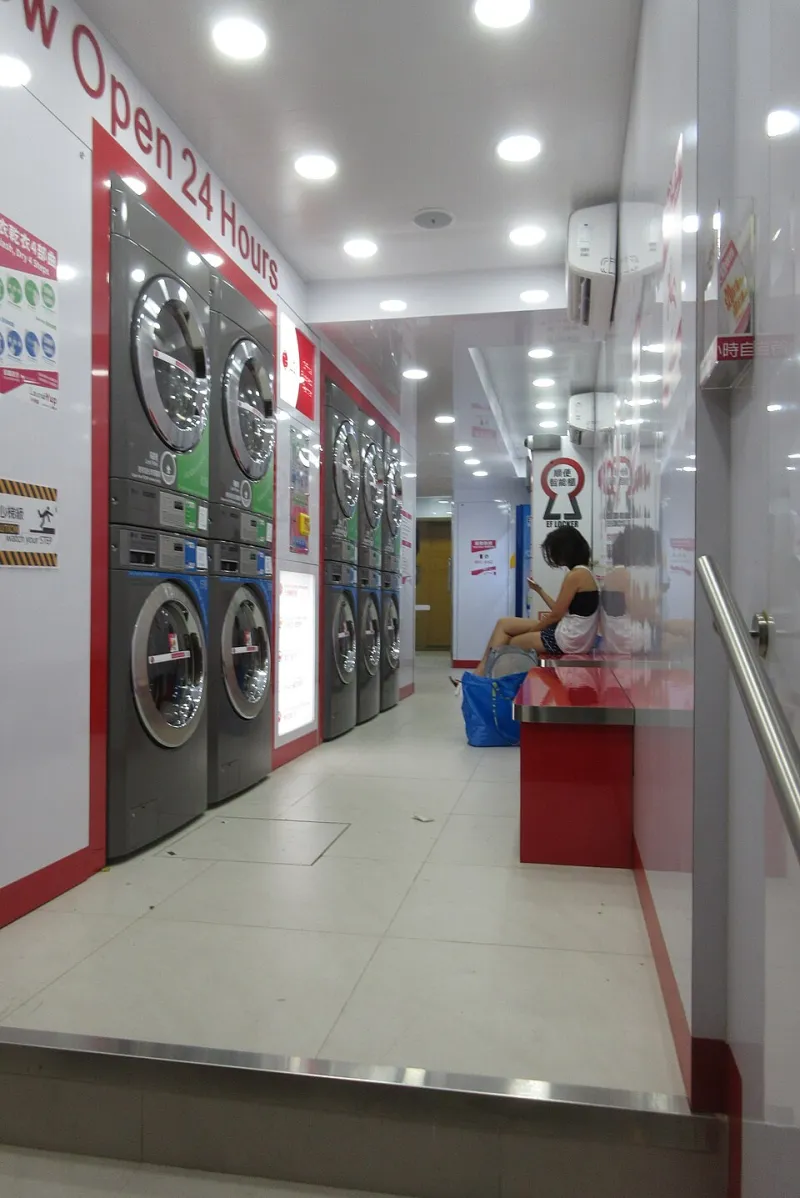
For a month in 2026, I hung five framed prints in a neighborhood coin laundry and let the dryers, the detergent, and the folding tables do the reviewing. No opening, no labels, no audience — just a rotating wall of work collecting smudges, questions, and a surprising amount of indifference. Here's what the laundromat taught me about showing my portfolio in public.
For thirty days in fall 2026, I forced mustard yellow into a small daily composition and kept notes on every flinch. What started as a color-aversion exercise turned into a quieter question about taste, context, and the stories we tell ourselves at the worktable.
For thirty days, I left a one-inch void in every layout I touched—portfolio pages, social posts, sketch spreads—and watched how people reacted. The experiment changed how I edit, present, and apologize for my work.
I gave a friend one small shelf in my studio and full permission to rearrange it for a month. The edits were tiny, but they exposed how much of my creative identity I had been arranging on autopilot.
This fall I handed five finished prints to five friends and asked them to hang the work wherever they actually wanted. For a month I tracked the photos, the guest reactions, and the silences. The results made my portfolio feel like a rehearsal and their walls feel like the real show.
For one week I cut a twenty-second teaser for a single portfolio project using only assets I already had, then screened it for three people before they saw the full case study. The rule was simple: no summarizing. What I learned had less to do with editing tricks and more to do with trust.
For thirty days, I wrote down every question my work raised and refused to answer it immediately. Once a week, I chased one question through a tiny experiment. What I found was less a productivity system and more a map of my taste, my avoidances, and the projects I actually want next.
I taped a week of work to my living room wall and refused to step closer than ten feet. The pieces that survived taught me more about contrast, hierarchy, and caption discipline than any laptop review ever has.
For one week, I stopped leading with links and started leaving 60-second voice notes about my work. The experiment exposed which parts of my portfolio I had been hiding, which stories actually travel by ear, and why a plainspoken audio pitch can be more useful than another polished PDF.
For one month, I took every credential off my About page and replaced it with a single photograph of a chipped studio mug. The responses — from strangers, collaborators, and friends — taught me more about tone and memory than any bio I have written.
In November 2026 I hung a single print in a neighborhood café with no caption, no price, and no artist statement. Seven days of quiet observation taught me more about the work than another round of friendly feedback ever did.
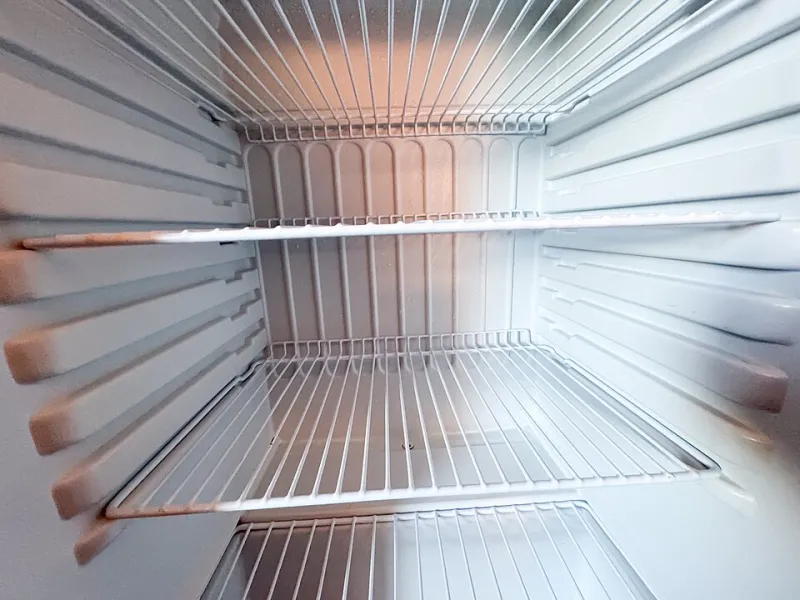
For the seven days after Thanksgiving 2026, my portfolio goes in the fridge: no edits, no refreshes, no late-night overhauls. Here's the rule set, the predictions I'm willing to be wrong about in public, and the three-label scoring sheet I'll use when I open the tab again.
A small local museum's wall labels made me rethink how I write about my own work. The fix was not more explanation but less throat-clearing: one useful fact, one human detail, and a quick exit. Here is the label-writing exercise I now run on every portfolio caption.
A standard error page is a locked door. I replaced mine with a tiny rotating gallery, a one-line prompt, and a few honest exits, then watched what people did there for a month. The lesson was less about web design than about hospitality.
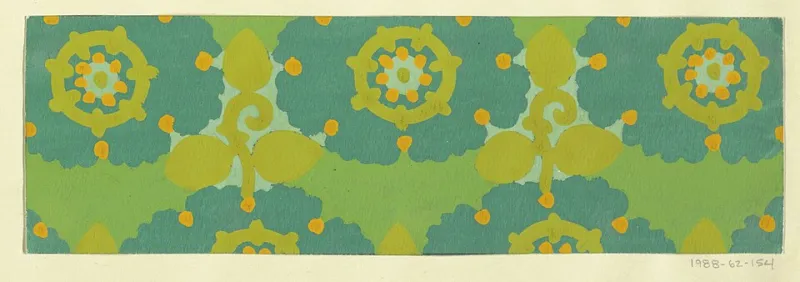
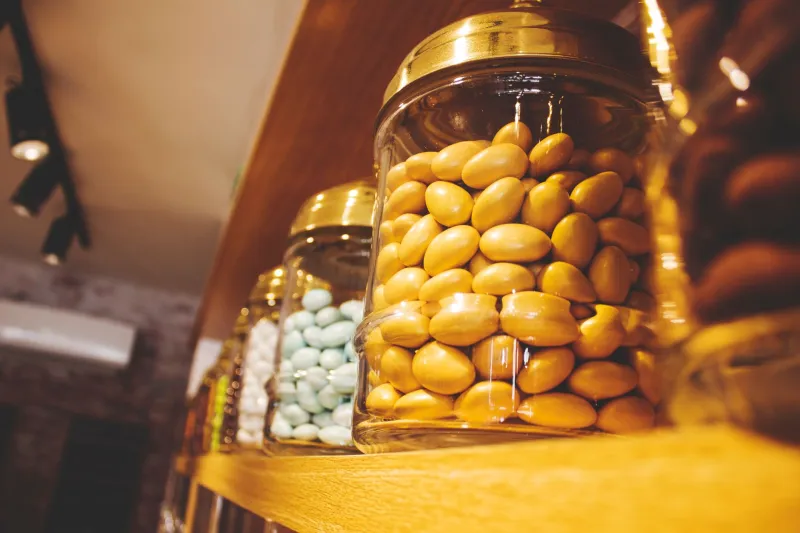
A weekly phone-camera exercise turned my neighborhood corner store into a color library. Here are seven accidental palettes from candy racks, detergent shelves, and receipt-tape signage, plus a simple method you can try on your own block.