Two Minutes on the Doormat: A Month of Doorstep Critiques

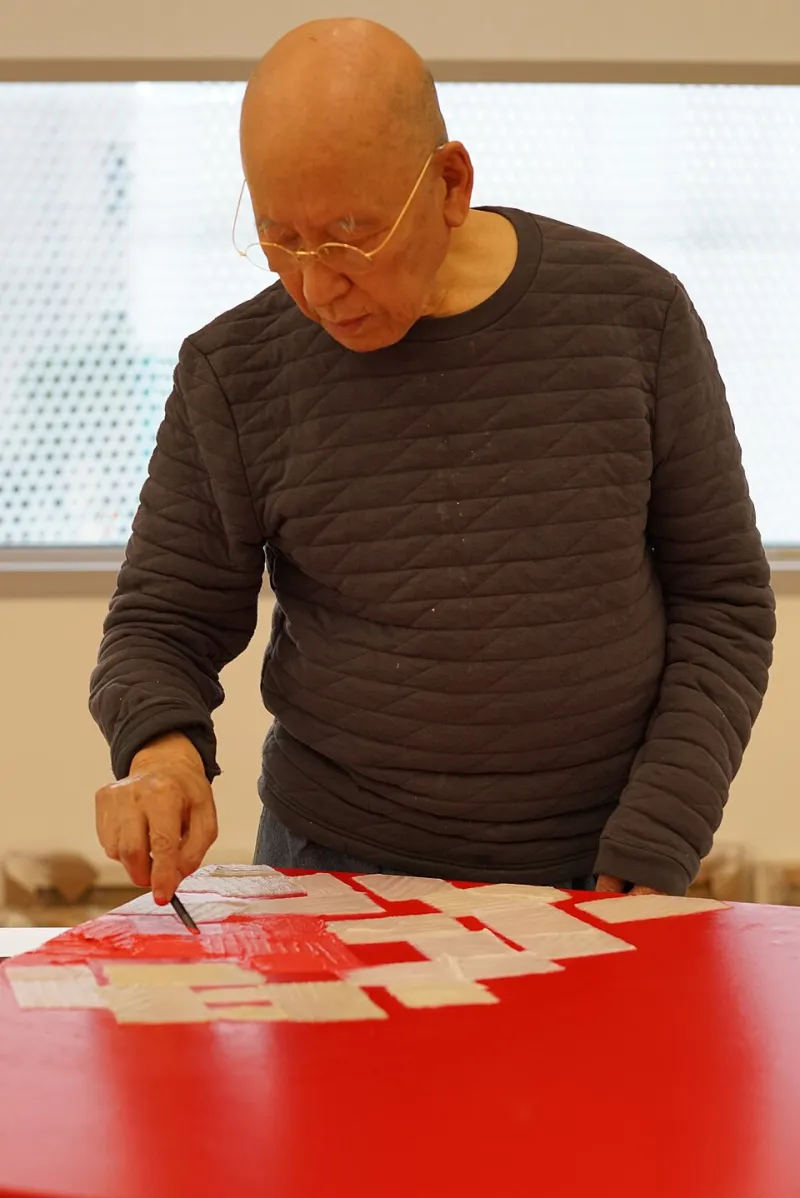
Photo: anonymous , CC0, via Wikimedia Commons
It started because my neighbor Dale caught me at the wrong moment.
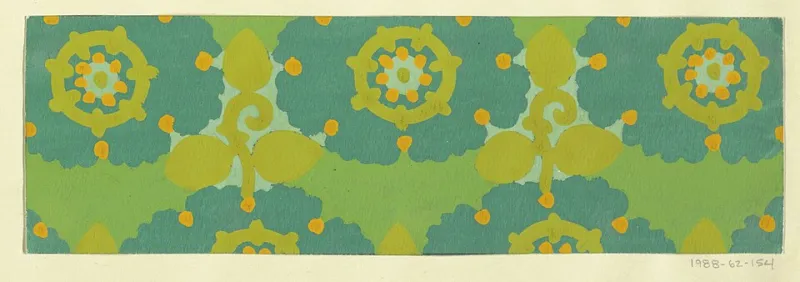
I was carrying a half-finished screenprint out to the recycling bin — the version I'd already decided was a failure — and he happened to be walking his dog past the steps. He asked what it was. I did the thing I always do: started talking. Framing it. Explaining the reference, the color decision, the thing I was going to fix. Two minutes in, he said, "Oh, I thought it was a map," and walked off with the dog.
A map. I hadn't considered that for a second. I'd been staring at it for eleven days.
The Rule I Made Up on the Spot
By the following Tuesday I had a protocol, because of course I did. One unfinished piece. Carried to the front step, not wrapped, not matted, not mounted. Whoever answers the bell gets two minutes with it. I stay quiet. No preamble, no title card, no "this is a rough draft, so…" — that last one is the hardest habit to break.
I called it the doorbell draft. My wife called it an elaborate excuse to avoid working, which is fair, but she was also the first person to give me a note that actually stuck.
Here's the sequence, if you want to run your own version:
- Pick something genuinely unfinished. Not polished enough to defend, not so raw that it's meaningless. The middle is where the interesting reactions live.
- Hand it over. Say nothing. Maybe fifteen words of setup, maximum. "Tell me what you see" works.
- Start a two-minute timer. Real timer. Phone in pocket, face down, on silent.
- Write down their first sentence verbatim. Not the summary. The exact words. My notes are full of things like "it leans" and "is there supposed to be a person in there."
- Ask two questions only. What's the first thing you noticed? What would you take out?
- Thank them and go back inside. No defending. No correcting. The correction reflex is a career-long problem and this is the cheapest place to practice resisting it.
What Thirty Days of Doorbells Actually Produced
My street is not a design school. It's a mix of retirees, a family with twin toddlers, a guy who fixes motorcycles out of his garage, and a pair of roommates in their twenties who seem to be home at all hours. Nobody there knows my client history or my influences. That's the entire point.
The motorcycle guy gave me the least flattering note of the month and also the best one. I handed him a small collage I'd been fidgeting with for two weeks. He held it at arm's length, turned it sideways, and said the border was doing all the work. Then he said, "You could just let it fall off the edge." I went back in and cut the piece down so the shapes bleed off two sides. The whole thing got calmer. I ran a version of that crop through three unrelated pieces and every one of them improved.
Dale, for the record, had been right about the map. The print I'd been calling a failed landscape was reading as cartography to basically everyone who saw it. I stopped fighting it. The piece is now titled with a word that references navigation, and it's the strongest thing to come out of the studio since September. I never would have found that on my own, because I was too close to the original intent.
The twins' mom gave me the note that stung, and I want to be honest about it. She looked at a piece for maybe forty seconds and said, "I don't know where to look." That's it. That's the whole critique. She wasn't being mean — she was holding a canvas with no clear entry point. I spent the next two weeks solving for a focal hierarchy I'd been assuming was obvious.
The Part Nobody Warns You About
Most people say "cool" and hand it back. That's not failure. That's data too.
The first week was rough for that reason. The pleasant-nothing response is a signal that your piece is either unreadable or unremarkable, and there's no getting around the fact that both feel bad. I learned to nudge without leading. "What's the first thing your eye went to?" opens people up more than "what do you think," because it's a concrete question and people are generally happy to answer concrete questions.
I also learned to value the shrug. One of the roommates looked at a piece, shrugged, and said, "It's fine, I guess." Fine, I guess is a real review. It's the review most of my work gets silently. Hearing it out loud on my own porch is worth more than a hundred polite likes from people who already know my style.
Why the Doorstep Beats the Feed
Online feedback in 2026 is mostly either agonizingly slow or fast and contaminated. By the time a post circulates, I've typically already decided how I feel about the piece, and that decision colors everything I do with the responses. The doorstep has no such problem. It's immediate, it's in person, and there's no algorithmic preference baked into who sees it. My neighbors aren't following design accounts. They have no idea what's trending. They just have eyes and opinions and a willingness to stand on a porch in the cold for a couple of minutes.
Something else happens, too. When you stand there with no script, you stop being the authority on your own work for a second. That's terrifying and clarifying in equal measure. The ego needs the reheating more often than the artwork does.
What I'm Keeping
November is almost over and I'm not stopping the practice — I'm just moving it out of the cold. The protocol holds: unfinished work, silent handoff, two minutes, no explaining. I'll probably drop to once a week and be more deliberate about it.
If you try this, one last thing. Write the notes down before you go back inside, exactly as they were said. You will remember that they liked it. You will not remember that they thought the yellow was a door. The verbatim lines are the whole archive, and six months from now they'll tell you more about your instincts than your own sketchbook will.
The doorbell is a perfectly good design resource. Mine's been ringing differently since October.