Scavenged Pages, Better Ideas: My Weekly Library Free-Bin Workout
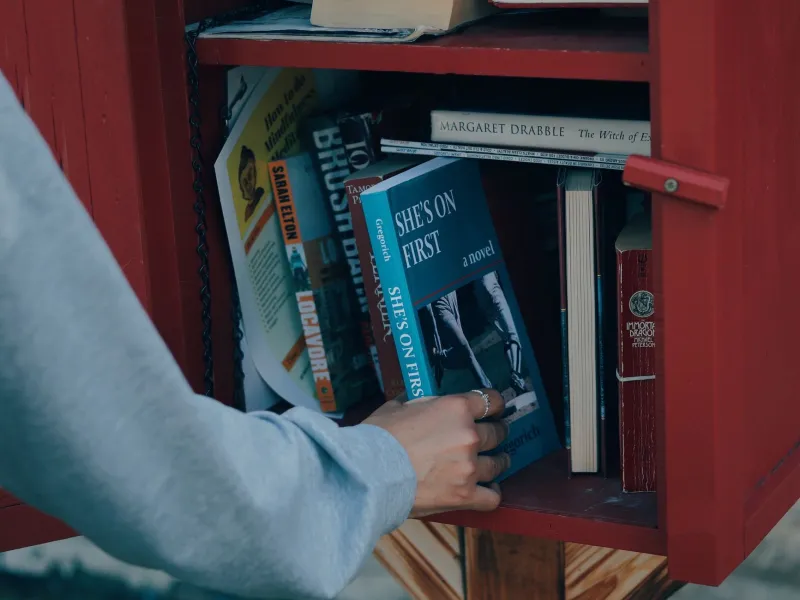
The Box by the Periodicals Rack
Every Thursday around noon, I walk past the new-release shelf, nod at the librarian who has stopped asking why I smell like coffee, and head for the free bin. It is a cardboard box beside the periodicals rack, usually overflowing with old magazines, withdrawn books, pamphlets, and the occasional mystery object. The sign says Free. The subtext says: take a chance. In 2026, that box has become my best creative director. Not because it gives me good ideas, but because it gives me strange constraints, accidental images, and a weekly excuse to make something before I feel ready.
What I Found This Year
I keep a small index card in my pocket for the best find of each week. A few from 2026:
- A county fair premium book with a cover photo of a prize-winning zucchini and a font choice that should be illegal.
- A seed-swap flyer printed on neon green paper, with handwritten notes in the margin about a tomato called “Stupice.”
- A withdrawn home-repair manual from the 1970s, full of diagrams for tasks no one should attempt.
- A community theater program for a play I have never heard of, with a cast bio that ends, “This is his first time on stage since the incident.”
- A museum calendar with a photo of a fossilized fish that looks like it is judging me.
None of these are “inspiration” in the Pinterest sense. They are raw material. The zucchini cover is a color palette. The flyer margin notes are a voice. The repair manual diagrams are a composition lesson. The theater bio is a reminder that specificity is funnier than polish. The fossil fish is just a good face.
Why Scavenged Constraints Work
When I open a blank page, I have too many options. When I open a free bin, I have a box of other people’s castoffs and a twenty-minute walk home. That is a constraint. The constraint is not “make something good.” It is “make something from this.” That is a much easier problem to solve.
There is also something useful about working with images and text that were not made for me. A seed catalog does not care about my portfolio. A county fair book does not know what a personal brand is. That indifference is freeing. I can borrow a layout, a headline rhythm, or a color scheme without asking permission, because the material is already out in the world, doing its own thing. The free bin is a reminder that creativity is often just attention plus recombination.
The Workout: Five Items, Twenty Minutes, One Bad Idea
Here is the repeatable version I have been running this year. It works for writers, designers, illustrators, and anyone who feels stuck. You need a library with a free bin or a Friends of the Library sale cart. If your library does not have one, a Little Free Library or a neighborhood buy-nothing group will do. The point is physical browsing, not an algorithm.
- Grab five items without reading them. Do not curate. Do not judge. Let your hand decide. A magazine, a pamphlet, a book with a broken spine, a flyer, a newsletter. Five is enough.
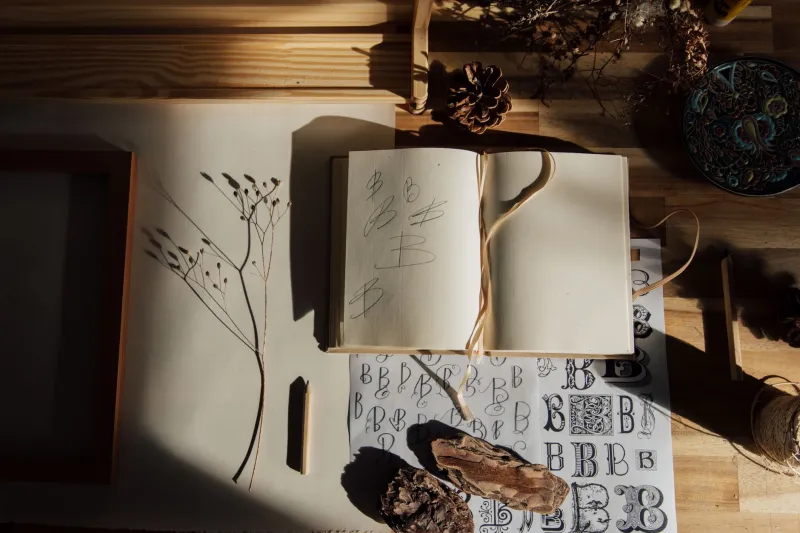
- Pick one image and one sentence. Spread the items out. Choose the first image that makes you stop, and the first sentence that sounds like a human wrote it. Copy both into your notebook. No commentary yet.
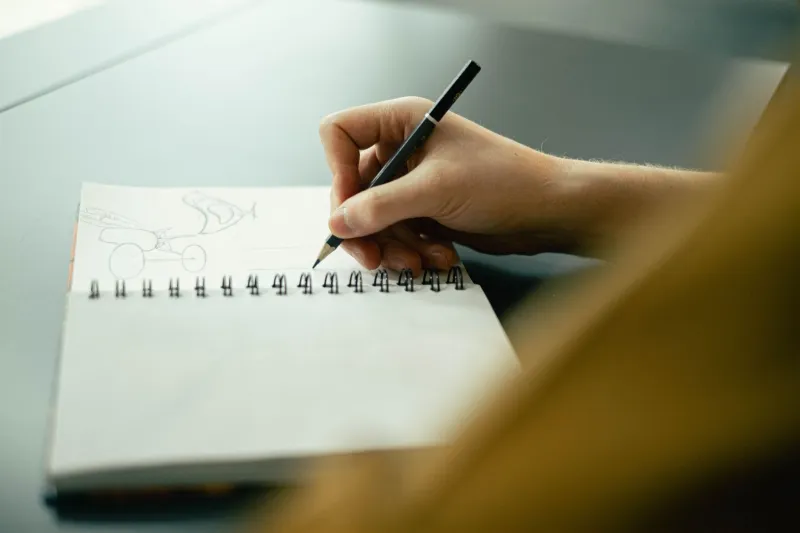
- Set a twenty-minute timer. Make one small thing. A sketch, a paragraph, a color study, a title, a list of five questions. The timer is the director. It says: this is not a masterpiece, it is a rep.
- Write a three-line note. What did the image want? What did the sentence do? What would you steal again? Keep the note with the item. This is how the workout becomes repeatable instead of random.
- Recycle or return the rest. I keep one item per month, max. The bin is not a hoard. It is a rotation.
The “one bad idea” part matters. The goal is not to produce a finished piece. The goal is to keep the muscle warm. Some weeks the bad idea becomes a blog post. Most weeks it becomes a note in a folder. Both are useful.
What It Does to My Portfolio Brain
I used to think portfolio work had to arrive fully formed. Now I think it has to arrive at all. The free bin workout has changed what I choose to make. I am less interested in making a polished thing that looks like everyone else’s polished thing, and more interested in making a specific thing that could only come from my weird Thursday walk. That has shown up in the studio: a series of small posters built from county fair typography, a short essay shaped like a seed-swap flyer, a sketchbook page that is just fossil-fish faces.
The bin also helps me edit. If an idea cannot survive being compared to a 1970s repair manual and a zucchini cover, maybe it is not an idea yet. It is a mood. The bin does not care about my mood. It cares about what I can do with what is in front of me.
The Only Rule
Do not make the bin precious. The moment I start treating it like a curated inspiration station, it stops working. The point is that it is a box of castoffs. The point is that most of it is bad. The point is that I still have to show up, reach in, and make something. In 2026, that is the creative direction I need: not more options, but a smaller, stranger box.