The Curio Shelf: Seven 2026 Finds Worth Slowing Down For
Every December the year-end lists arrive like a weather system: the ten best albums, the twenty best films, the forty people who allegedly changed everything. They're fine. They're also exhausting, and they almost never include the things I actually end up using.
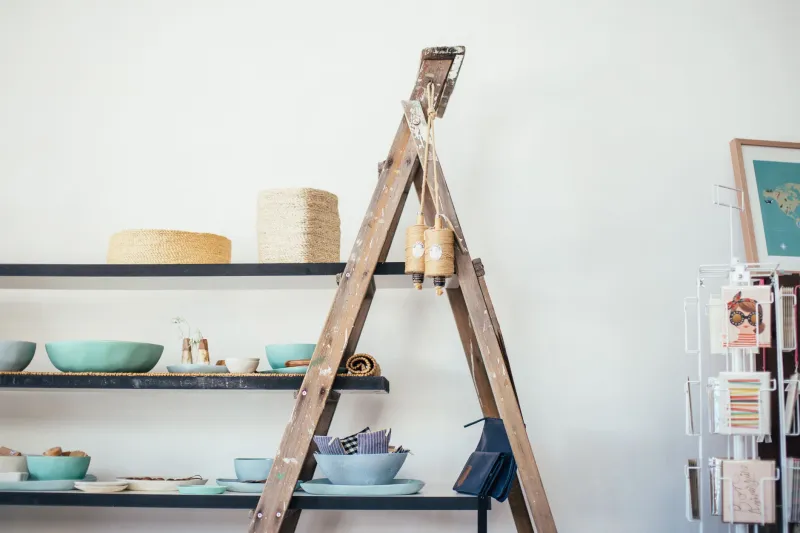
So here's the opposite. Seven curiosities from 2026 that flew under most radars, collected the way you'd collect seashells — not because they're valuable, but because they're odd and I liked holding them.
No rankings. No prizes. Just a shelf.
1. The 90-second demo culture
Somewhere in the last year, a handful of small design and sound communities started asking for demos under ninety seconds instead of portfolios. Not case studies. Not decks. One and a half minutes of a thing working, warts included.
It sounds gimmicky until you try it. Ninety seconds is long enough to show a real idea and short enough that there's nowhere to hide behind a narrative. I've watched maybe forty of these now across different feeds, and the ones that stick with me are almost never the slickest.
Why it matters: constraints are the cheapest editing tool available, and this one is free.
2. Cassette-style voice notes as a sharing format
Audio notes that sound deliberately lo-fi — hiss, room tone, the click of a recorder being set down — became a small thing this year among people who make zines, posters, and small-run prints. It's less a technology than a texture. The hiss signals this is not a production, which lowers the stakes for everyone listening.
I've been sending these to collaborators instead of emails when the topic is fuzzy. Nine times out of ten it gets a faster, better reply. Typing makes me sound certain. Talking into a bad microphone makes me sound like a person figuring something out.
Why it matters: if you want honest feedback, send something that doesn't sound finished.
3. The 200-person room
A quiet counter-trend to the mega-Discord: communities capped at a couple hundred people, usually themed around one narrow craft — risograph registration, hand-lettered signage, archival scanning.
The cap isn't a growth hack. It's a filter. Small rooms have a different social physics: people recognize each other's names, lurkers eventually speak, and nobody's performing for an algorithm because there's no audience beyond the room.
Why it matters: the best creative advice I got this year came from a room I had to be invited into, not from a feed.
4. Library digitization tools, finally usable
Public archives have been dumping high-resolution scans online for years, but the interfaces were historically punishing. This year a couple of them got genuinely pleasant — better search, cleaner licensing labels, downloads that don't require a tutorial.
The result is that a lot of mid-century printed matter is now a click away instead of a plane ride away. I've been pulling packaging scans and ticket stubs from the 1960s for reference and it feels borderline illegal, except it isn't, because it's public and it's free.
Why it matters: reference material is the least glamorous and most reliable way to get better.
5. The "one object" photo essay
A format I keep stumbling into: a photographer picks a single physical object — a fence post, a broken umbrella, a specific crack in a sidewalk — and shoots it twenty times over a year.
The constraint does something interesting. Instead of documenting a place, the series documents the photographer's attention. By shot fifteen you're not looking at the object anymore; you're looking at how someone's eye has changed.
Why it matters: almost nobody will copy this, because it takes a year. That's exactly why it's good.
6. Hand-bound zines with digital interiors
A hybrid showing up at small presses and zine fairs: cloth or stitched covers, made by hand, wrapped around interiors printed from files you can also download. You get the object if you want the object, and the content either way.
I like it because it sidesteps an argument that's been running for a decade. Digital isn't the enemy of craft; it's a different distribution channel for the same idea. The cover earns its keep. The pages don't have to.
Why it matters: it's a genuinely fair answer to the question "how do I make money from work people can get for free?"
7. The forty-five-minute no-screen block
Okay, this one is a habit, not a discovery, but it showed up in enough conversations this year that it belongs on the shelf.
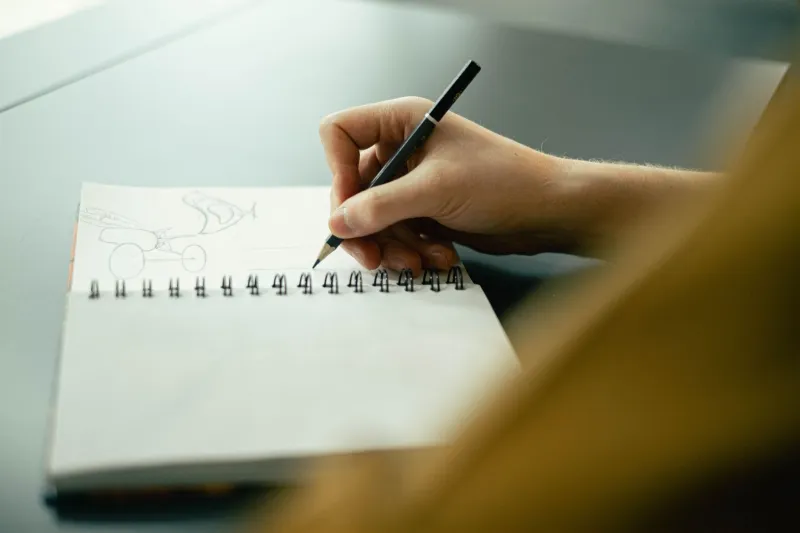
Forty-five minutes, paper only, no browser. Not a productivity system — more a small daily acknowledgement that the first thing your mind reaches for is rarely the most interesting thing it has. I've been doing it badly and inconsistently and it has still produced more usable sketches than any app I installed.
Why it matters: the tool you already own is undefeated.
How I Use a Shelf Like This
I don't treat these as recommendations exactly. They're more like seeds. One curiosity per month, tried for an hour, kept or composted.
What surprises me each year is how rarely the big obvious thing ends up in my actual working life. It's almost always something small that snuck in the side door — a format, a constraint, a room with a low ceiling.
If you have one of your own from this year, I'd genuinely like to hear it. The shelf has room.